
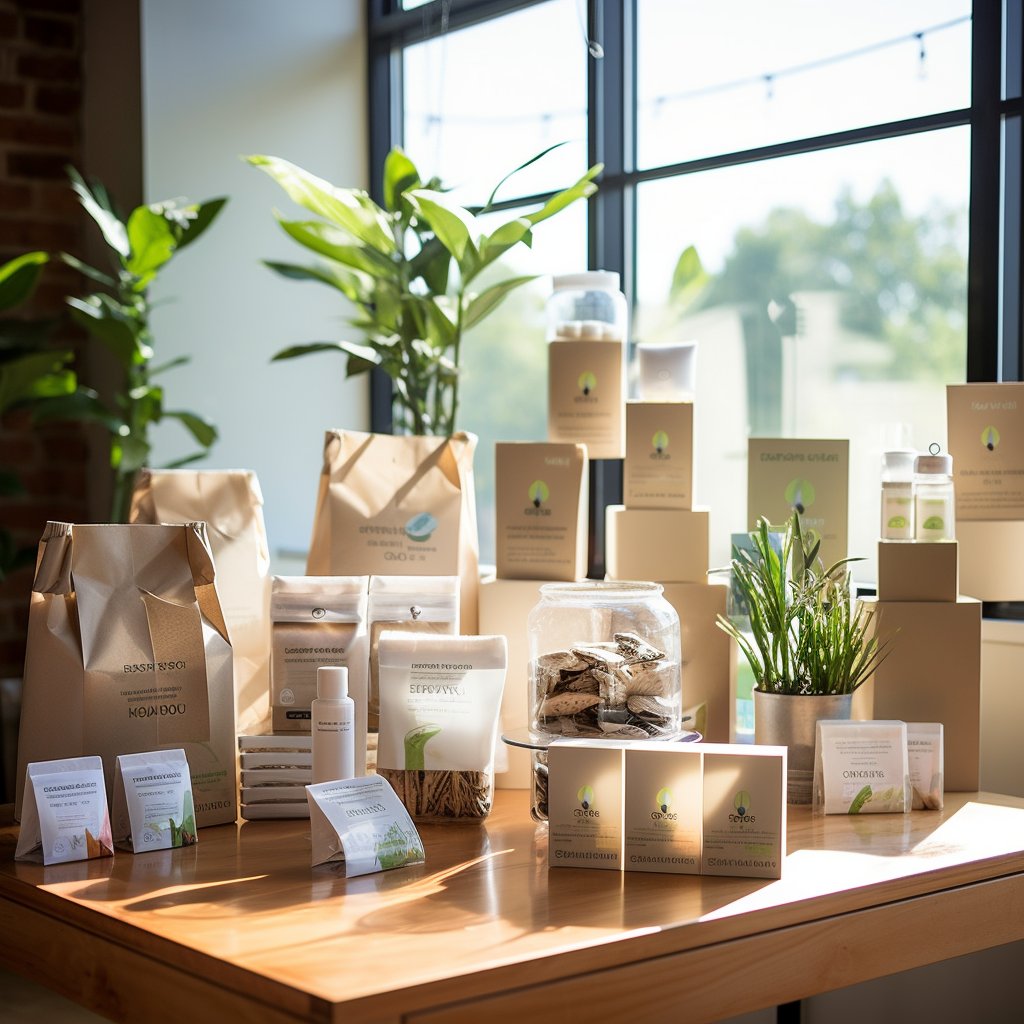
In a world increasingly attuned to the environmental impact of its consumption patterns, sustainable packaging emerges as a crucial factor in the longevity and responsibility of businesses. With a clear shift away from wasteful materials and processes, companies are now embracing innovative solutions that balance functionality with eco-friendliness. This transition not only reflects corporate social responsibility but also aligns with evolving consumer expectations.
The concept of sustainable packaging encompasses a broad spectrum of practices, including the use of biodegradable materials, reusable containers, and recycling initiatives. These approaches are not merely trendy; they represent a profound transformation in the way products are presented, protected, and preserved. This article delves into the multifaceted benefits of sustainable packaging, explores how businesses can make the transition, and highlights examples of success stories from various industry sectors.
Why sustainable packaging is the future
The shift towards sustainable packaging is driven by an acute awareness of our environmental footprint. Traditional packaging options often involve materials that are harmful to ecosystems and contribute to the mounting crisis of waste management. Conversely, sustainable packaging stands as a beacon of innovation, offering a path that lessens environmental impact while still meeting the practical needs of both businesses and consumers.
Consumer demand for greener packaging solutions has surged in recent years. An increasing number of people are seeking out brands that demonstrate environmental stewardship, which includes the use of packaging that doesn’t harm the planet. This consumer behavior reflects a broader societal push towards sustainability and is shaping how companies approach product packaging.
Unwrapping the benefits
Adopting sustainable packaging isn’t just good for the earth; it can also be beneficial to a company’s bottom line. Over time, utilizing materials that are recyclable or sourced from renewable resources can lead to cost savings. This is due to factors such as reduced waste disposal fees, improved efficiency in material use, and the attraction of eco-conscious customers willing to pay a premium for sustainable products.
Moreover, sustainable packaging can significantly enhance a brand’s image. By committing to environmentally friendly practices, businesses can build a reputation for corporate responsibility that resonates with customers and stakeholders alike. This positive brand association can be a powerful differentiator in crowded marketplaces.
From plastic to fantastic
The journey away from conventional plastics toward more sustainable alternatives involves exploring a variety of materials and designs. Biodegradable options offer the ability to decompose naturally without leaving harmful residues, while reusable containers encourage consumers to keep and repurpose packaging, reducing overall waste. Moreover, the magic of recycled materials lies in their ability to give new life to what would otherwise be discarded, a philosophy that aligns with the adoption of Wholesale glass dropper bottles in eco-conscious packaging strategies.
Innovative companies are turning to organic materials such as plant fibers or mushroom mycelium to create packaging that’s both functional and fully compostable, similar to how others are exploring the use of Apothecary jars for sustainable storage solutions. These fantastic new materials are carving out niches in various industries, from food service to electronics.
How to make the switch
Transitioning to sustainable packaging requires strategic changes within a company. Partnering with suppliers who prioritize green practices is an essential step, ensuring that the materials used meet environmental standards. Additionally, it’s crucial to educate and involve the entire team in the shift towards sustainability, as this fosters a culture that values eco-friendly approaches at every level of operation.
The process also involves analyzing current packaging designs and determining how they can be modified or replaced with more sustainable alternatives. This might include reducing material use, selecting different packaging shapes or sizes for efficiency, or choosing manufacturing processes with lower carbon footprints.
Real-world success stories
Many small businesses have embraced sustainable packaging and experienced tangible benefits. From local cafes using compostable containers to online retailers shipping with recycled materials, these success stories highlight the practicality and profitability of going green.
Larger corporations are also leading by example, investing in research and development to create cutting-edge sustainable materials and processes. These big brands showcase how scalability and sustainability can go hand in hand, setting trends for others in their industry.
Keeping it green
Staying informed about the latest developments in sustainable packaging is vital for businesses looking to maintain their commitment to the environment. This means keeping abreast of new materials, technologies, and industry best practices.
Planning for a sustainable future also involves setting long-term goals for packaging sustainability and regularly reviewing progress. It’s about continuous improvement and innovation, as businesses strive not only to meet current standards but also to anticipate future demands.