
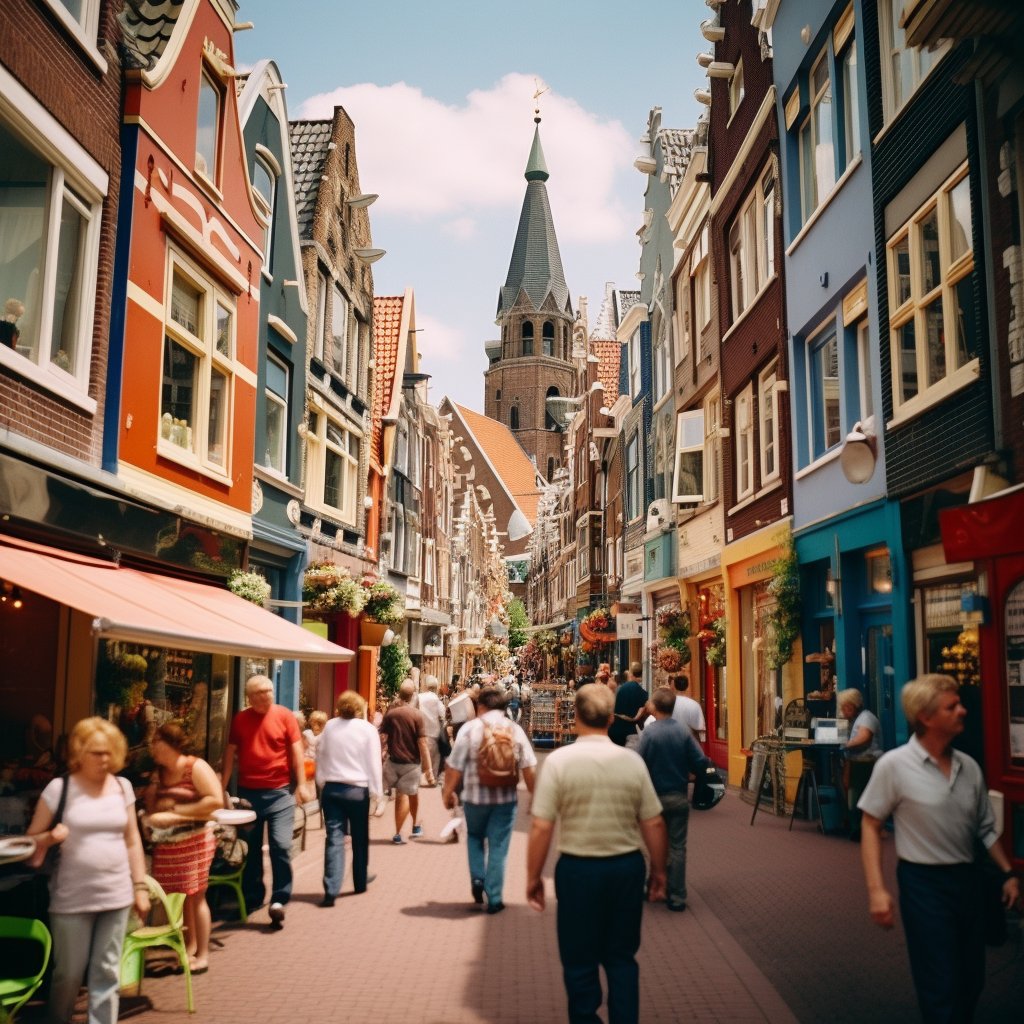
The Dutch housing market can be as intricate and challenging as a Rembrandt painting to outsiders. With its unique features, from the charming canal houses of Amsterdam to modern windmill homes in the countryside, navigating this landscape requires a keen understanding of local property laws, financial options, and cultural nuances. This article delves into the crucial steps for securing a home in the Netherlands, discussing the importance of local expertise, the intricacies of Dutch housing laws, and the financial pathways that lead to homeownership. It provides an essential guide for those looking to call the Netherlands their new home.
Navigating the dutch housing market maze
Embarking on a house-hunting expedition in the Netherlands can feel like stepping into a labyrinth, with each turn presenting new questions and challenges. The housing market here is dynamic and fast-paced, making it crucial for would-be homeowners to have their bearings straight. Understanding the types of housing available, the areas most suited to one’s lifestyle, and the economic climate affecting property prices is the first step in this journey.
One must be aware of the key landmarks that define the market: the high demand for properties in urban centers, the competitive bidding wars in popular neighborhoods, and the potential for finding hidden gems in up-and-coming areas. It’s also worth considering the historical value of properties and zoning regulations that could affect future renovations or alterations.
Finding your dream home in the netherlands
In quest of your dream abode in this tulip-adorned nation, the internet serves as your initial treasure map. Numerous online portals showcase a wide array of homes that cater to diverse preferences and budgets. These digital platforms are not just repositories of property listings but also provide valuable insights into market trends, neighborhood reviews, and price histories.
However, even with these tools at your disposal, the role of local guides—real estate agents—cannot be overstated. These professionals offer a wealth of knowledge about nuances that might not be immediately apparent on digital listings. They understand the subtleties of local markets, negotiate deals, and navigate the administrative labyrinth that comes with purchasing property in the Netherlands.
Understanding dutch housing laws and regulations
The juxtaposition of renting versus buying in the Netherlands presents a conundrum for many. While renting offers flexibility and less responsibility for maintenance, buying a property is often seen as a long-term investment and a rite of passage into Dutch society. The decision is made more complex by housing laws that differ from those in other countries.
Tenancy laws in the Netherlands are generally tenant-friendly, providing substantial protections against eviction and rent increases. Conversely, property ownership comes with its own set of regulations, including tax implications and mandatory building insurances. It is vital to comprehend these laws to make an informed decision on whether to rent or invest in a Dutch home.
Financing your windmill or canal house
Securing financing is a pivotal step toward owning a piece of the Netherlands. For expatriates, obtaining a mortgage can seem daunting due to unfamiliarity with local financial systems and regulatory requirements. However, various Dutch banks and international lenders are accustomed to working with foreigners and offer products tailored to their needs, including competitive dutch mortgage interest rates.
It is essential to understand how calculate mortgage Netherlands processes work in the Netherlands, including the documentation required and the criteria for eligibility. Typically, lenders assess income stability, residency status, and credit history. Expats may also benefit from certain tax advantages designed to make homeownership more accessible.
Sealing the deal
The climax of your Dutch housing adventure is sealing the deal—from making an offer to holding the keys in your hand. This process involves numerous steps, including property inspections, negotiations on terms and price, and signing legal contracts.
Finalizing a property purchase in the Netherlands requires navigating through legal paperwork and understanding contractual obligations. It is often advisable to engage with notaries and legal advisors who ensure that all necessary procedures are correctly followed. These professionals will guide you through the final stages of purchase, ensuring a smooth transition into your new Dutch home.