
In recent years, many prominent companies have shifted their focus towards sustainability and environmental responsibility. This trend is not merely a marketing tactic but a reflection of growing awareness about the impending climate crisis and the need for corporate accountability. These companies are not just reducing their carbon footprints but are actively investing in projects that have a long-term positive impact on the planet.
One of the most significant areas where these brands are making a difference is in reforestation and nature restoration. Companies like Land Life are at the forefront of this movement, partnering with big names to execute high-integrity, large-scale projects. Land Life, for example, has been involved in planting millions of trees across various continents, leveraging both science and technology to ensure the success and sustainability of these efforts.
Tree planting companies such as Land Life collaborate with other industry giants like Zalando, DHL, Bosch, and ABN Amro Clearing. These partnerships signal a collective commitment to environmental stewardship, showcasing how corporate giants can drive significant ecological change. By investing in nature-based solutions, these companies are not only contributing to biodiversity but also creating a positive narrative around their brand, enhancing their public image and customer trust.
From concrete jungles to urban forests
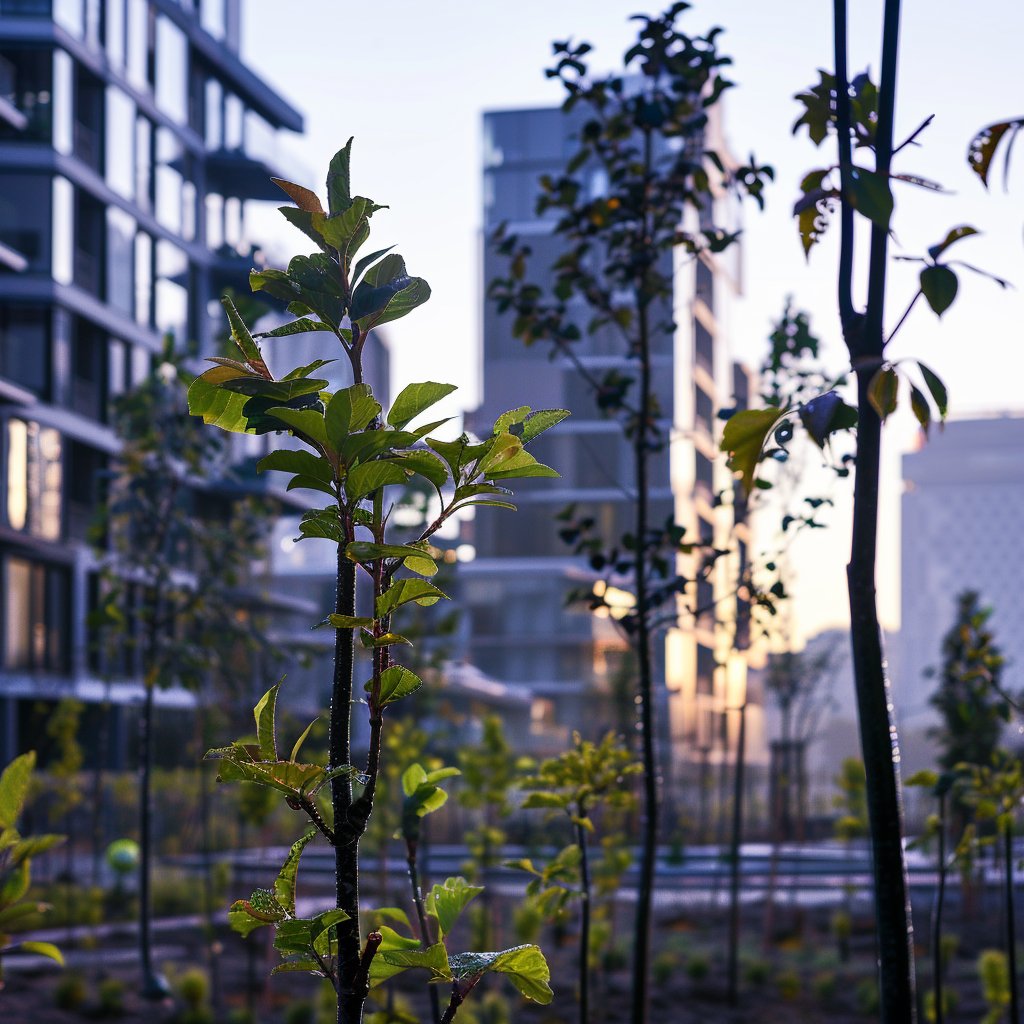
The concept of transforming urban spaces into green havens is gaining traction globally. Urban forests are becoming a vital part of city planning, offering numerous benefits ranging from improved air quality to enhanced mental well-being for residents. This shift from concrete jungles to lush urban landscapes symbolizes a broader commitment to creating sustainable living environments.
Tree planting companies play a crucial role in this transformation. By implementing innovative nature restoration projects, they help cities reclaim degraded land and convert them into thriving ecosystems. This process often involves planting native species that can adapt to urban conditions while restoring biodiversity and providing habitat for local wildlife. The impact of such projects extends beyond environmental benefits; it also fosters community engagement and pride.
In cities like Denver and Melbourne, efforts led by tree planting companies have resulted in significant environmental improvements. Projects in these cities focus on creating wildlife corridors and restoring post-wildfire land, ensuring that urban areas can support diverse ecosystems. These initiatives demonstrate how strategic planning and collaboration between municipalities and tree planting companies can lead to sustainable urban development.
Gaining community trust with green spaces
Community trust is essential for the success of any environmental project. When residents see tangible improvements in their local environment, they are more likely to support and participate in sustainability initiatives. Green spaces play a crucial role in building this trust, providing accessible areas where people can connect with nature and experience the benefits of a healthy ecosystem.
Tree planting companies understand the importance of community involvement in their projects. They often work closely with local communities to ensure that the restoration efforts align with residents’ needs and preferences. By engaging with community members from the planning stages through to implementation, these companies can create projects that have lasting positive impacts on both the environment and the people who live there.
For instance, Land Life’s transparency through its in-house dashboard, SIA, allows partners and customers to track project progress and outcomes. This level of openness fosters trust and demonstrates a genuine commitment to environmental integrity. As a result, communities feel more connected to the projects and are motivated to support ongoing conservation efforts.
Tech and trees: the perfect partnership
The integration of technology into reforestation efforts has revolutionized how tree planting companies approach nature restoration. Advanced tools and methodologies enable these organizations to plan, execute, and monitor projects with unprecedented precision and efficiency. This tech-enabled approach ensures that reforestation efforts are not only effective but also scalable.
Land Life exemplifies this tech-driven strategy by developing in-house technologies that enhance the quality and scale of their projects. Their science-based innovations are field-tested to ensure they deliver tangible results. For example, using drones for aerial seeding allows for rapid reforestation over large areas that would be challenging to access manually. Additionally, data analytics helps in monitoring tree growth and health, ensuring that planted areas develop into resilient forests.
Tree planting companies like Land Life also adopt nature-based solutions tailored to specific environmental challenges. By restoring degraded lands that would not recover naturally, they help rebuild ecosystems from the ground up. These efforts contribute significantly to capturing CO2 emissions, combating climate change, and supporting global biodiversity goals.
Innovations driving reforestation
Innovations in reforestation technology continue to evolve, providing new tools and methods for restoring degraded lands effectively. Satellite imagery and AI-powered analytics offer insights into soil health, vegetation cover, and climate conditions, enabling precise project planning and execution. These advancements ensure that every tree planted has the best chance of survival and growth.
Furthermore, partnerships with research institutions like the European Forest Institute (EFI) enhance the scientific foundation of reforestation projects. Collaborative efforts such as the SUPERB consortium demonstrate how combining expertise from various sectors can lead to large-scale forest restoration across Europe. Tree planting companies benefit from these collaborations by gaining access to cutting-edge research and innovative practices that improve project outcomes.
Conclusion
The shift towards sustainable practices among big brands signifies a profound change in corporate responsibility towards environmental stewardship. Tree planting companies play a pivotal role in this movement by executing large-scale reforestation projects that contribute to climate change mitigation, biodiversity enhancement, and community well-being. Through innovative approaches and strategic partnerships, these organizations are transforming both urban and rural landscapes into thriving ecosystems.
As technology continues to drive advancements in reforestation efforts, tree planting companies remain at the forefront of creating sustainable solutions that address environmental challenges. By fostering community trust and leveraging science-based innovations, they ensure that their projects deliver lasting positive impacts on both people and the planet.