
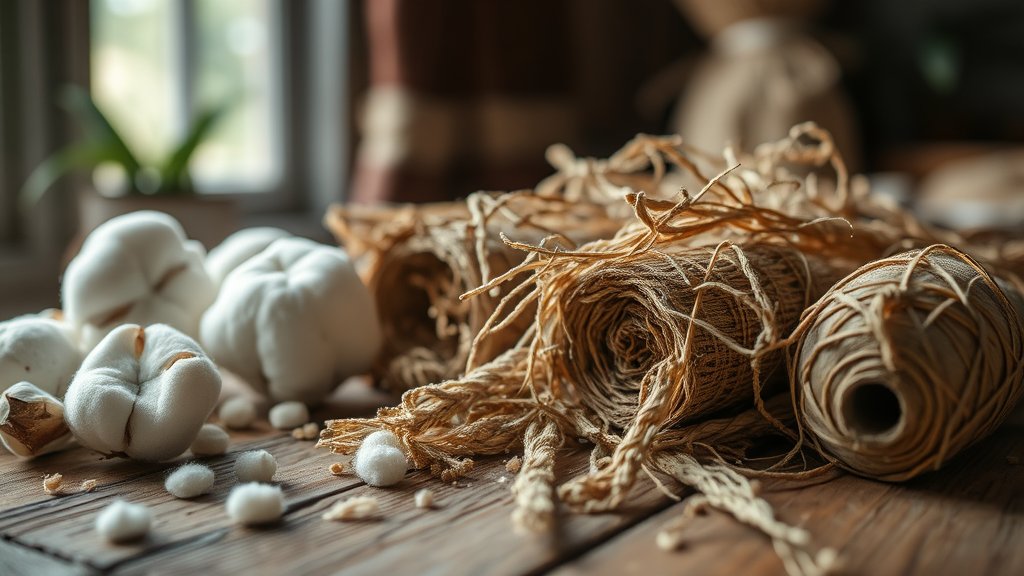
In recent years, there’s been a noticeable shift in the fashion industry towards more sustainable and eco-friendly materials. Among these, natural fibers have made a significant comeback. People are more conscious about what they wear and where it comes from. The allure of synthetic fabrics has waned, giving way to the charm of natural, breathable, and environmentally friendly alternatives. It’s not just a trend; it’s a movement towards a greener planet.
Natural fibers like cotton fabric, linen, hemp, and bamboo are gaining popularity for their sustainable qualities. They break down faster than synthetic fibers, reducing the burden on landfills. Plus, they often require fewer resources to produce, making them a more eco-conscious choice. It’s fascinating how something as simple as choosing a fabric can have such a profound impact on the environment.
From hemp to bamboo: a fiber revival
The fashion industry’s renewed interest in natural fibers isn’t just limited to conventional options like cotton and linen. There’s a whole world of alternative fibers being rediscovered. Hemp, for instance, is making a strong comeback. Known for its durability and low environmental impact, hemp is a versatile fiber that’s been used for centuries. Its cultivation requires minimal water and no pesticides, making it an ideal candidate for sustainable fashion.
Bamboo is another fiber that’s gaining traction. It’s incredibly fast-growing and doesn’t need much in the way of fertilizers or pesticides. Bamboo fabric is also super soft and breathable, which makes it perfect for summer clothing. However, it’s worth noting that the process of turning bamboo into fabric can sometimes involve harsh chemicals, so it’s essential to look for responsibly produced bamboo textiles.
Rediscovering lost materials
The revival of these natural fibers isn’t just about sustainability; it’s also about heritage and tradition. Many of these materials have been used for centuries but fell out of favor with the advent of synthetic fabrics. Now, they’re being rediscovered and appreciated for their unique qualities. For example, nettle fiber was once used extensively in Europe before cotton became dominant. Today, it’s being reintroduced as a sustainable textile option.
It’s like uncovering a hidden treasure trove of materials that our ancestors used. These fibers offer a connection to the past while providing solutions for the future. It’s not just about going back to old ways but rather blending traditional knowledge with modern technology to create fabrics that are both eco-friendly and high-performing.
Eco-friendly and fashionable
One might wonder if sustainable fabrics can ever match the style and versatility of synthetic ones. The answer is a resounding yes! Natural fibers offer a range of textures and finishes that are both fashionable and functional. Organic cotton t-shirts, linen summer dresses, hemp jeans—these aren’t just eco-friendly choices; they’re stylish too.
Moreover, brands are getting creative with natural fibers. Designers are experimenting with blends to create new textures and finishes. For instance, mixing cotton with hemp can produce a fabric that’s both soft and durable. The possibilities are endless, and the results are often stunning. Who knew being eco-friendly could look this good?
Challenges and innovations in sustainable fabrics
Of course, the road to sustainable fashion isn’t without its challenges. One major hurdle is cost. Producing natural fibers can be more expensive than synthetics due to factors like slower growth rates and lower yields. However, as demand increases and technology improves, prices are expected to come down.
Innovation is key to overcoming these challenges. Researchers and manufacturers are constantly looking for ways to make natural fiber production more efficient and less costly. Innovations in agricultural practices, such as using organic fertilizers and crop rotation, are helping to boost yields without harming the environment.
The future of sustainable fashion
The future of fashion looks promising with sustainable fabrics taking center stage. As more people become aware of the environmental impact of their choices, demand for eco-friendly options will continue to grow. Brands that prioritize sustainability will likely lead the way in this new era of fashion.
It’s an exciting time to be involved in the fashion industry. The shift towards natural fibers is more than just a trend; it’s a fundamental change in how we think about clothing and its impact on the world. With ongoing innovation and growing consumer awareness, sustainable fashion is here to stay.
So next time you shop for clothes, consider opting for natural fibers. Not only will you be making a stylish choice, but you’ll also be contributing to a more sustainable future.